If you’ve ever tried inhaling some pollen from plants, or eating something and finding out afterward that you’re covered in red blotchy spots or some other nasty effect after you eat, then you’ve experienced firsthand the effects of Allergies. In common usage, an allergy is an adverse reaction toward what is called an allergen, or specifically, the material that causes the allergic reaction.
What Happens When You Come In Contact With An Allergen?
When you ingest something that causes an allergic reaction in your body, the immune system is said to be hyperactive to this material, and with that, the immune system activates to quash what it sees as a threat. But it’s actually not and is quite harmless and garners no excess bodily reaction in other people.

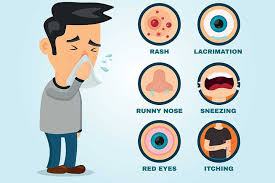
Once the body’s immune system releases antibodies as a response to the allergen, it causes the release of histamine into the bloodstream, which is what causes you to get teary-eyed and have a runny nose.
Common Allergens In People
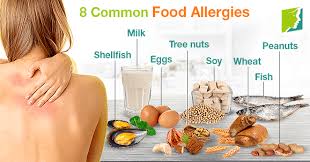
Probably the most common source of allergic reactions in most people is in their food. Whether it’s from having shellfish, or mushrooms, or even something mundane like a vegetable, allergic reactions from food are quite common.
And if you’ve been stung by an insect and notice excessive swelling from the locality of the bite, then you’ve got an allergic reaction from that bite. There are even cases of extreme allergic reactions to bee stings, resulting in anaphylactic reactions. Chemicals and medicine also fall into the category of being a common source of allergic reactions.
If you’ve got to have antibiotics as prescribed by the doctor, make sure that your body doesn’t have an allergy to materials in your medicine.
According to American College of Allergy, Asthma and Immunology, “While any food can cause an adverse reaction, eight types of food account for about 90 percent of all reactions:“
Certain seeds, including sesame and mustard seeds (the main ingredient in the condiment mustard), also are common food allergy triggers and considered a major allergen in some countries.
Symptoms of an allergic reaction may involve the skin, the gastrointestinal tract, the cardiovascular system and the respiratory tract. They can surface in one or more of the following ways:
- Vomiting and/or stomach cramps
- Hives
- Shortness of breath
- Wheezing
- Repetitive cough
- Shock or circulatory collapse
- Tight, hoarse throat; trouble swallowing
- Swelling of the tongue, affecting the ability to talk or breathe
- Weak pulse
- Pale or blue coloring of skin
- Dizziness or feeling faint
- Anaphylaxis, a potentially life-threatening reaction that can impair breathing and send the body into shock; reactions may simultaneously affect different parts of the body (for example, a stomachache accompanied by a rash)
Most food-related symptoms occur within two hours of ingestion; often they start within minutes. In some very rare cases, the reaction may be delayed by four to six hours or even longer. Delayed reactions are most typically seen in children who develop eczema as a symptom of food allergy and in people with a rare allergy to red meat caused by the bite of a lone star tick.
Another type of delayed food allergy reaction stems from food protein-induced enterocolitis syndrome (FPIES), a severe gastrointestinal reaction that generally occurs two to six hours after consuming milk, soy, certain grains and some other solid foods. It mostly occurs in young infants who are being exposed to these foods for the first time or who are being weaned. FPIES often involves repetitive vomiting and can lead to dehydration. In some instances, babies will develop bloody diarrhea. Because the symptoms resemble those of a viral illness or bacterial infection, diagnosis of FPIES may be delayed. FPIES is a medical emergency that should be treated with IV rehydration. “ American College of Allergy, Asthma and Immunology, “
Treatment and avoidance of allergies
Should you suspect that you’re having an allergic reaction to something, consult your doctor so that he or she can refer you to an allergist, which is a type of specialization for doctors in the field of allergies.
He or she can do the testing on your suspected materials and verify your suspicions and prescribe medicines or give you advice on what to do about your reaction. But sometimes, antihistamines are not enough, though that’s the most common medicine to combat allergic reactions.
Sometimes you have to avoid contact with the allergen at all costs, as enough exposure could possibly lead to disastrous results in your body.
Make sure you know exactly what materials you are allergic to so that you can avoid even trace quantities of it in other things.
Avoidance is also a good method of preventive treatment since you won’t have allergic reactions when you aren’t exposed to allergens.
One method of treating allergens is to give a person immunotherapy, exposing the person with the allergy to minute quantities of his or her allergen.
The immune system learns to cope with these materials, developing immunity and preventing future allergic reactions. This is particularly effective for airborne particles, less so for food allergies, which might cause reactions even though you’ve undergone treatment.
Almost all people have allergies of one sort to another, and it varies widely when it comes to what they’re allergic to. Once you find out your allergen, you can avoid it and prevent unpleasant reactions from your body, or even get treatment so that you can develop immunity and remove the allergic reaction from your body.

 Lifestyle